AI Workout Generator with Essential Features
Being a content writer, we surrounds ourselves with creative and impactfull words.
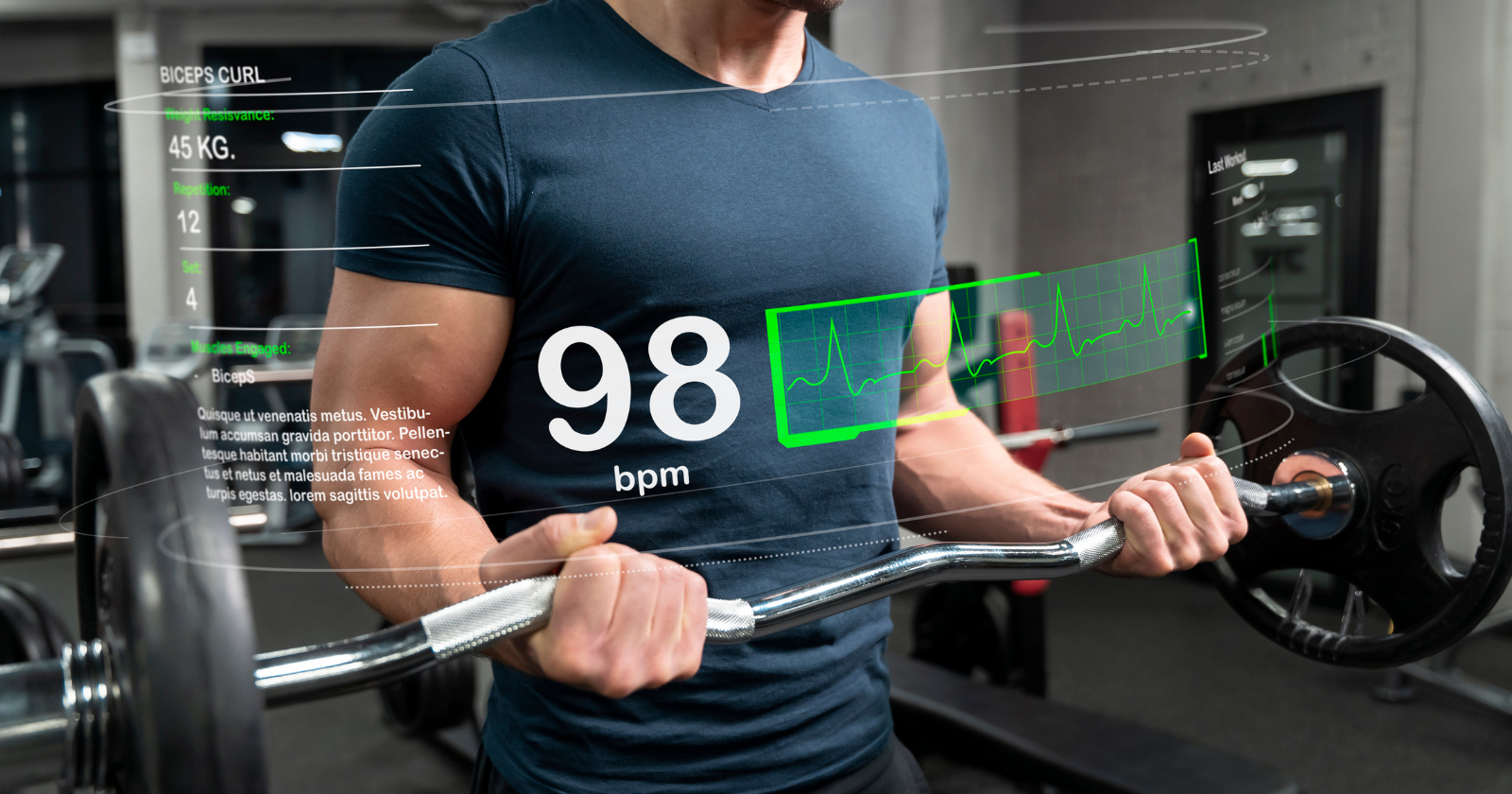
In recent years, technology has become a game-changer in fitness and health. One exciting innovation is the AI workout generator, an app that uses artificial intelligence to create personalized exercise plans tailored to individual needs. If you’re curious about how to build such an app and what features it should include, you’re in the right place.
Why Build an AI Workout Generator?
Many people struggle to design workout routines that fit their goals, schedules, and fitness levels. An AI-powered workout generator can solve this problem by creating customized plans based on user preferences, physical conditions, and progress. It’s like having a personal trainer in your pocket, available anytime.
Step 1: Understanding AI Development Basics
Building an AI workout generator starts with understanding AI development. This involves programming algorithms that can learn from data and make smart decisions. In the fitness app context, the AI should analyze user input such as age, weight, fitness goals, and past workouts to suggest effective exercises.
Key AI technologies for this include natural language processing (to understand user commands) and recommendation systems (to suggest workouts). Choosing the right AI tools and frameworks will impact your app’s performance and user experience.
Step 2: Incorporating AI/ML Development Techniques
To make the workout generator smarter over time, AI/ML development (Artificial Intelligence and Machine Learning) is essential. Machine learning allows the app to improve its recommendations by learning from user feedback and workout results.
For example, if a user finds certain exercises too difficult, the app can adjust future workouts accordingly. ML models can analyze patterns in user activity and adapt plans to maximize effectiveness and minimize injury risk.
Step 3: Designing the Core Features
When building your AI workout generator, there are several essential features to consider:
Personalized workout plans: Based on user data, the AI creates daily or weekly exercise routines.
Progress tracking: Users can log workouts, track improvements, and set goals.
Exercise library: A database with detailed descriptions, images, and videos of exercises.
Adjustable difficulty: The AI modifies workout intensity as users advance.
Notifications and reminders: To keep users motivated and consistent.
These features make the app user-friendly and effective, encouraging people to stick to their fitness routines.
Step 4: Adding a Medication Reminder App Feature
An interesting addition to your fitness app could be a medication reminder app feature. Many users may be on supplements or prescribed medicines related to their fitness journey. Reminders help them take their medications on time, supporting overall health.
This feature increases user engagement and adds value, making your app a more holistic wellness tool.
Step 5: Building a Simple User Interface
Even the smartest AI system needs a simple, easy-to-navigate interface. The app should allow users to enter their data easily, view workout plans clearly, and track progress effortlessly. A clean design and smooth functionality will make users feel comfortable and confident using your AI workout generator.
Step 6: Testing and Feedback
Before launching, thorough testing is vital. You need to ensure that AI-generated workouts are safe, effective, and personalized. Collect feedback from beta users to fine-tune the AI and fix any bugs. Continuous improvement based on real user experience will make your app stand out.
Step 7: Launch and Promote
Once your AI workout generator is ready, focus on marketing it effectively. Highlight the AI and ML-driven personalization, progress tracking, and medication reminder features. Target fitness enthusiasts, busy professionals, and people wanting a guided workout experience at home.
Conclusion
Creating an AI workout generator combines smart technology with fitness knowledge to help users achieve their health goals more efficiently. By integrating AI development and AI/ML development principles, you can build a dynamic app that learns and evolves with its users. Adding thoughtful features like a medication reminder app makes your creation even more valuable.
Are you ready to bring your AI fitness app idea to life? With the right planning, design, and technology, you can help millions stay motivated and fit in a smart, personalized way.